
Container Trading Strategies to Solve the Empty Box Crisis

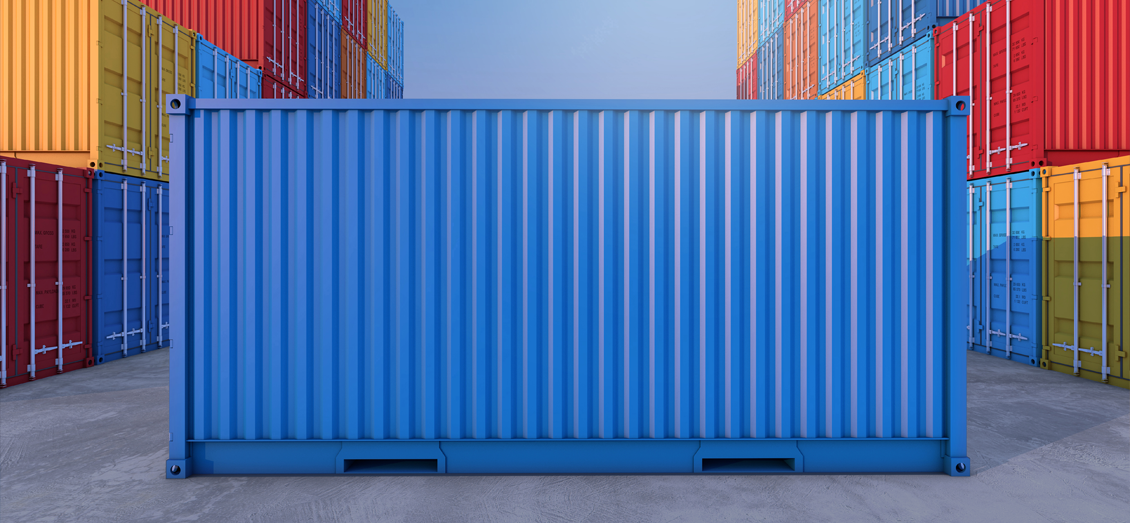
Supply chain imbalances have left containers stranded in surplus regions while exporters in high-demand areas face acute shortages. Strategic NVOCCs (Non-Vessel Operating Common Carriers) are now integrating container trading process such as buying, selling, and leasing into their business models. This approach offers "one-way leasing" and dedicated equipment, ensuring cargo moves smoothly even when major shipping lines are fully booked.
The Problem: Equipment Stranded in the Wrong Place
Geopolitical conflicts, extreme weather, and shifting trade flows have scattered containers globally, creating a "daily balancing act" for logistics providers. Traditional shipping agencies often struggle to guarantee equipment, leading to frequent booking rollovers and delays. For example, U.S. ports are seeing significant increases in empty container volumes, while Chinese ports face shortages, disrupting global trade flows.
Solution: The Synergy of NVOCC and Container Trading
Modern NVOCCs are evolving beyond just booking space—they now manage fleets. By engaging in container trading (buying, selling, and leasing), NVOCCs create a "shared fleet" model, turning competitors into collaborators. This model allows them to reposition containers from surplus to deficit regions, ensuring equipment availability where it’s needed most.
Key Benefits of a Hybrid Container Trading Model
One-Way Leasing
NVOCCs offer one-way leasing options, allowing shippers to transport cargo to a destination and sell the container locally. This eliminates the need for costly empty repositioning and maximizes asset utilization.
Strategic Positioning
Containers are strategically stationed at high-demand hubs like Jebel Ali, Shanghai, and Nhava Sheva. These ports serve as critical redistribution points, ensuring immediate availability for exporters and minimizing delays.
Diversified Equipment
NVOCCs provide access to specialized containers, such as Reefers, Open Tops, and Flat Racks, that major shipping lines often lack during peak seasons. This diversification ensures that even oversized or temperature-sensitive cargo can move without disruption.
Partnering with NVOCCs for Resilient Supply Chains
The 2025 container crisis underscores the need for innovative solutions. By partnering with NVOCCs that leverage container trading, businesses can overcome equipment shortages, reduce costs, and ensure their cargo reaches its destination on time. This strategic approach not only solves the empty box crisis but also builds resilience into global supply chains.
Ready to optimize your container logistics?
Connect with a forward-thinking NVOCC today to explore one-way leasing and strategic container positioning.